
[ad_1]
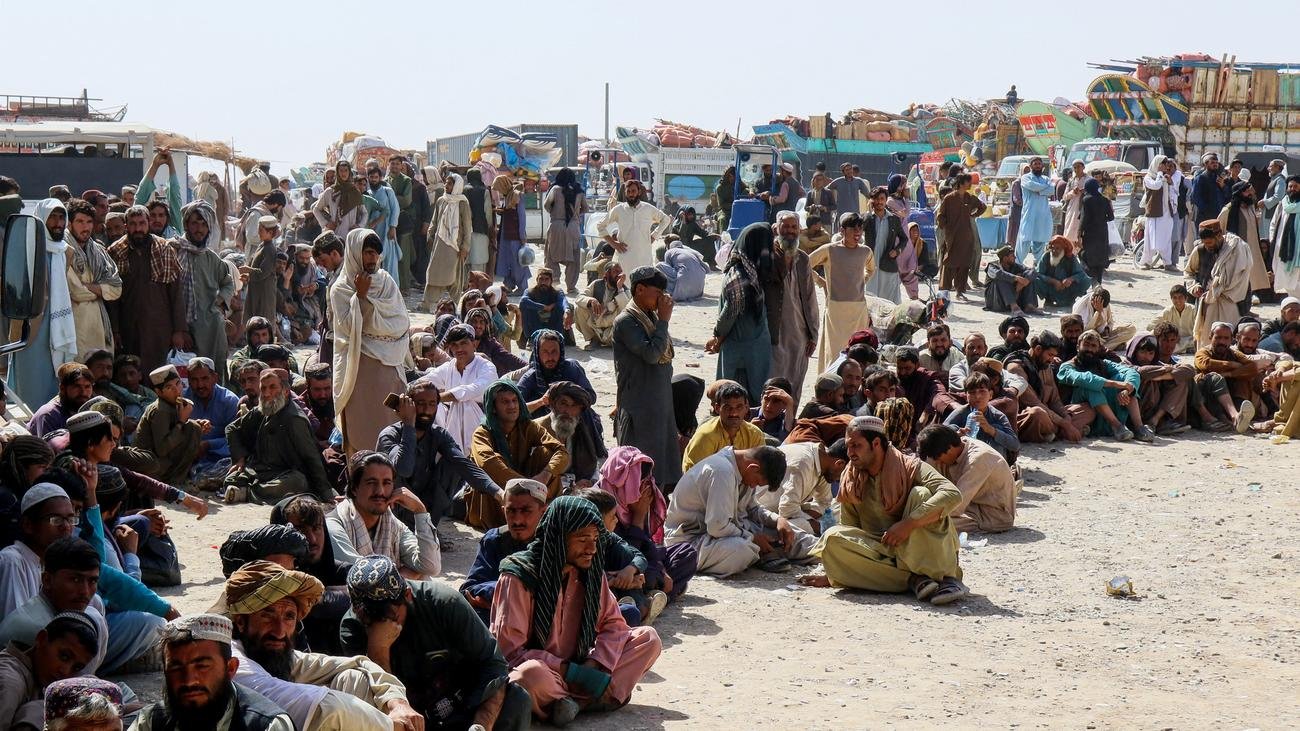
Many Afghans who are in… Pakistan waiting to be admitted to Germany will probably have to leave the country. The NGO Kabul Airlift assumes this. According to the announcement by Interior Minister Alexander Dobrindt (CSU), until the end of the year to bring a further 535 people at risk to Germanyaround 850 people would continue to wait on site to see whether they would also receive an entry permit, said Eva Beyer, spokeswoman for the organization, in the Deutschlandfunk.
If this doesn’t happen, these people would have little choice but to return to Afghanistan, said Beyer. Pakistan is deporting large numbers to Afghanistan, most recently up to 3,000 people a day – although those affected there are mostly threatened with imprisonment, torture and violence because they have opposed the ruling Taliban. According to the estimate of Kabul During the airlift, 75 percent of the people were women and children, said Beyer.
Repatriation can hardly be implemented by the end of the year
On Thursday, Dobrindt announced that a further 535 at-risk Afghans would be allowed to enter Germany from Pakistan with a confirmation of admission by the end of the year. The aim is to complete the repatriation program “as far as possible in December,” said the Interior Minister. Pakistan, in turn, set a deadline for the federal government and announced that it would consistently deport the remaining people from January.
According to Beyer, if the Pakistani authorities do this, it will also endanger those people who have already been accepted for admission. From a purely logistical perspective, it is hardly possible to transfer more than 500 people to Germany within two weeks. In addition, according to Kabul Airlift estimates, significantly more than the 535 people mentioned by Dobrindt would have the right to be accepted into Germany, including around 100 local employees. “That means there are still people there for whom Germany also bears responsibility, including possible criminal responsibility,” said Beyer.
Dobrindt blocks new security checks
Beyer clearly rejected the security concerns expressed by Dobrindt in particular when accepting Afghans at risk. Those affected are the most screened people of all, with the BKA, the Office for the Protection of the Constitution and the Federal Police, among others, being involved in the security checks: “That means you actually know very well who the people who come here are.” In addition, Dobrindt has not made any new appointments for security interviews since he took office, so people no longer even have the opportunity to go through the necessary security checks.
The black-red federal government agreed in the coalition agreement to end the admission programs Afghanistan to finish “as far as possible”. In July the Berlin Administrative Court decidedthat Germany must stick to previous commitments. Dobrindt said that, according to his ministry’s assessment, only some of the people who were accepted for admission had a legally binding commitment; others should not receive a visa. Kabul Airlift is campaigning for the continuation of the admission program for particularly vulnerable Afghans with regular lawsuits called on the federal government to stick to the promises it made.
[ad_2]